

Eyeglass Prescription in North Royalton OH
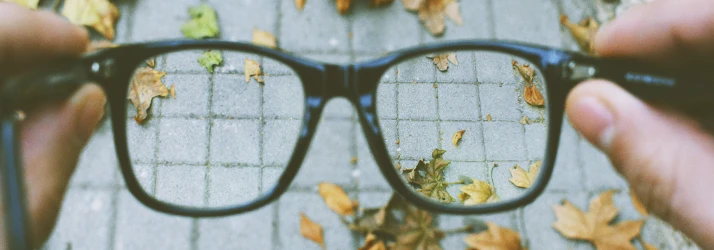
Blurry vision, headaches, or tired eyes can be signs that your eyeglass prescription needs an update. A proper eye exam helps correct vision changes and supports long-term eye health. At Distinctive Eyewear, we take time to understand your vision concerns and provide precise prescriptions designed to keep your eyesight clear and comfortable.
What is an Eyeglass Prescription?
An eyeglass prescription is a guide that helps eye care professionals correct your vision so you can see clearly and comfortably. Many people receive a prescription but do not fully understand what it means or how it affects their daily life. The prescription usually includes values that measure how your eyes focus light.
These values tell if you are nearsighted, farsighted, or have astigmatism. Some prescriptions also include an added power for reading, which is common as people get older. Each part of the prescription plays a role in ensuring your lenses meet your vision needs.
Here are some common parts you may see on an eyeglass prescription:
- Sphere (SPH): Indicates the strength of the lens power required to correct nearsightedness or farsightedness.
- Cylinder (CYL): Indicates the amount of correction needed for astigmatism.
- Axis: Works with the cylinder value to show the lens position.
- Add: Extra power for close-up tasks, such as reading.
Steps Involved in Getting an Accurate Eyeglass Prescription
Getting an accurate eyeglass prescription is a step-by-step process that focuses on both your vision clarity and eye comfort. Each step is important because even small changes in vision can affect how well you see and how your eyes feel throughout the day. The objective is to find a prescription that gives you clear sight without causing strain.
The process usually begins with questions about your vision history and daily habits. Your eye doctor may ask how often you use screens, drive at night, or experience headaches. This information helps guide the exam. Next, your eyes are tested with various tools to assess how well they focus light.
The main steps often include:
- Vision screening: Checks how clearly you can see letters or symbols at different distances.
- Refraction test: Determines the exact lens power needed by comparing different lens options.
- Eye alignment and focusing tests: Ensure both eyes work well together.
- Final prescription check: Confirms comfort and clarity before writing the prescription.
Each step builds on the one before it, which helps reduce errors and improve accuracy. Rushing through the process can lead to an incorrect prescription that causes blurry vision or eye strain.
How Eye Conditions Affect Your Eyeglass Prescription
Different eye conditions directly affect what kind of eyeglass prescription you need. These conditions alter how light enters your eyes and how it focuses on the retina. Knowing this connection helps explain why prescriptions vary so much from person to person.
Nearsightedness makes distant objects appear blurry, while farsightedness affects close-up vision. Astigmatism causes blurred or distorted vision at all distances because the eye is irregularly shaped. As people age, many develop presbyopia, which makes reading and close work harder without added lens power. Each of these conditions requires a specific type of correction.
Eye health conditions can also influence prescriptions. Dry eyes, eye fatigue, or focusing problems may require special lens adjustments. In some cases, prescriptions change more often because the condition is progressing or stabilizing. That is why regular eye exams are essential, even if your vision seems fine.
At Distinctive Eyewear, we carefully evaluate how these conditions affect your vision before recommending a prescription.
Why Regular Prescription Updates Are Important for Eye Health
Vision changes slowly over time, which is why regular prescription updates are so important. Many people do not notice small changes right away, but outdated prescriptions can cause discomfort. Wearing the wrong lenses may lead to headaches, eye strain, blurred vision, or trouble focusing.
Eyes can change due to age, health conditions, or increased screen use. Children and teenagers may need more frequent updates because their eyes are still developing. Adults may notice changes as they get older or if their daily habits shift. Even a small prescription change can improve comfort and clarity.
Here are common signs that your prescription may need an update:
- Frequent headaches, especially after reading or screen use.
- Blurry vision at near or far distances.
- Eye strain or fatigue, even with short visual tasks.
- Squinting to see clearly.
Regular eye exams help catch these changes early, and updating your prescription keeps your eyes relaxed and reduces unnecessary stress. It also supports overall eye health by allowing eye doctors to check for other issues during the exam
Advanced Technology Used to Measure Eyeglass Prescriptions
Modern eye care uses advanced technology to improve the accuracy of eyeglass prescriptions. These tools help eye doctors measure vision more precisely and make the exam more comfortable. Technology also reduces guesswork and allows for better results in less time.
Digital refraction systems can quickly analyze how light moves through the eye. Automated machines provide a starting point for the prescription, which is then refined during manual testing. Some systems also create detailed maps of the eye’s surface, helping detect minor vision issues that may affect clarity.
Technology is invaluable for people with complex prescriptions or hard-to-detect vision problems. It also helps track changes over time by storing past exam data. This allows eye doctors to compare results and notice patterns that may affect eye health.
At Distinctive Eyewear, advanced diagnostic tools are used alongside professional expertise to ensure accurate and reliable eyeglass prescriptions.
Choosing the Right Lenses Based on Your Eyeglass Prescription
Once you have an eyeglass prescription, the next step is choosing the right lenses. The prescription guides which lenses will work best for your vision needs and lifestyle. Different lens types are designed to support other activities, such as reading, driving, or computer work.
Single-vision lenses correct one viewing distance, while bifocal and progressive lenses support both near and far vision. Some prescriptions may also benefit from special coatings that reduce glare or protect against digital eye strain. The right lens choice improves comfort and helps you use your glasses more effectively.
When selecting lenses, several factors are considered:
- Prescription strength: Higher powers may need thinner or specialized lenses.
- Daily activities, such as Screen use, outdoor work, or night driving, can affect lens choice.
- Comfort needs: Lightweight lenses reduce pressure on the nose and ears.
- Visual clarity: Advanced designs improve sharpness across the lens.
Schedule Your Appointment Today!
Need clear and accurate glasses for daily use? Contact Distinctive Eyewear to get a precise eyeglass prescription tailored to your vision needs. Our team is here to help you see clearly and comfortably. Call us or visit our office to book your visit.
Contact Information:
Distinctive Eyewear
5690 Wallings Rd
Phone: (440) 877-2020

OFFICE HOURS
Monday
10:00am - 6:30pm
Tuesday
10:00am - 6:30pm
Wednesday
Closed
Thursday
10:00am - 6:30pm
Friday
10:00am - 4:30pm
Saturday & Sunday
Closed

Distinctive Eyewear
5690 Wallings Rd
North Royalton, OH 44133